
SpaceX strikes $40bn GPU lease it calls the "largest GPU financing ever", as Starship eyes a double catch
The Apollo-led deal for Nvidia Vera Rubin chips is meant to power Grok and still has to close, while the Flight 15 booster has fired all 33 engines.
Published
SpaceX says it has reached a binding commitment to enter an approximately $40bn master finance lease for graphics processing units (GPUs) and related equipment with an entity managed by Apollo Global Management.
In a release on Monday 26 October, SpaceX said the lease would deliver Nvidia’s next-generation Vera Rubin chips for its “terrestrial compute buildout”. It described the deal as the largest committed GPU financing.
The deal
According to the release, the financing is led by Apollo and Goldman Sachs, which acted as sole structuring agent. Funds and accounts managed by BlackRock and Goldman Sachs Asset Management, and capital accounts advised by KKR, have made anchor commitments.
Under the arrangement, an Apollo affiliate will buy AI chips and server hardware and lease them to SpaceX, with total principal payments of about $40bn, Reuters reported. Each lease will run for a little over five years from the day the equipment arrives, according to a regulatory filing cited by Reuters.
The deal is not yet complete. SpaceX said entry into the lease “remains subject to certain specified closing conditions” and is expected to close before the end of 2026. Lease schedules are expected to begin once the GPUs are delivered, in the first half of 2027.
That is worth noting because, according to Reuters, Mr Musk said on X on Sunday that SpaceX had “closed” $40bn in debt financing for GPUs. He also said the funding mainly targeted chips arriving in the first and second quarters of next year and would not be “a major factor this quarter”.
What it is for
The release quotes SpaceX’s chief financial officer, who said the company “aims to deploy the largest compute infrastructure in the world” and wants more compute online “to power Grok for enterprises and consumers, as well as serve existing and future cloud services customers”.
The CFO also said: “we’re seeing less than one year payback periods on our SI infrastructure investments”. That is SpaceX’s own claim, and it has not been independently verified. The release is labelled as containing forward-looking statements, which it says “are not guarantees”.
Starship: Flight 15 plans
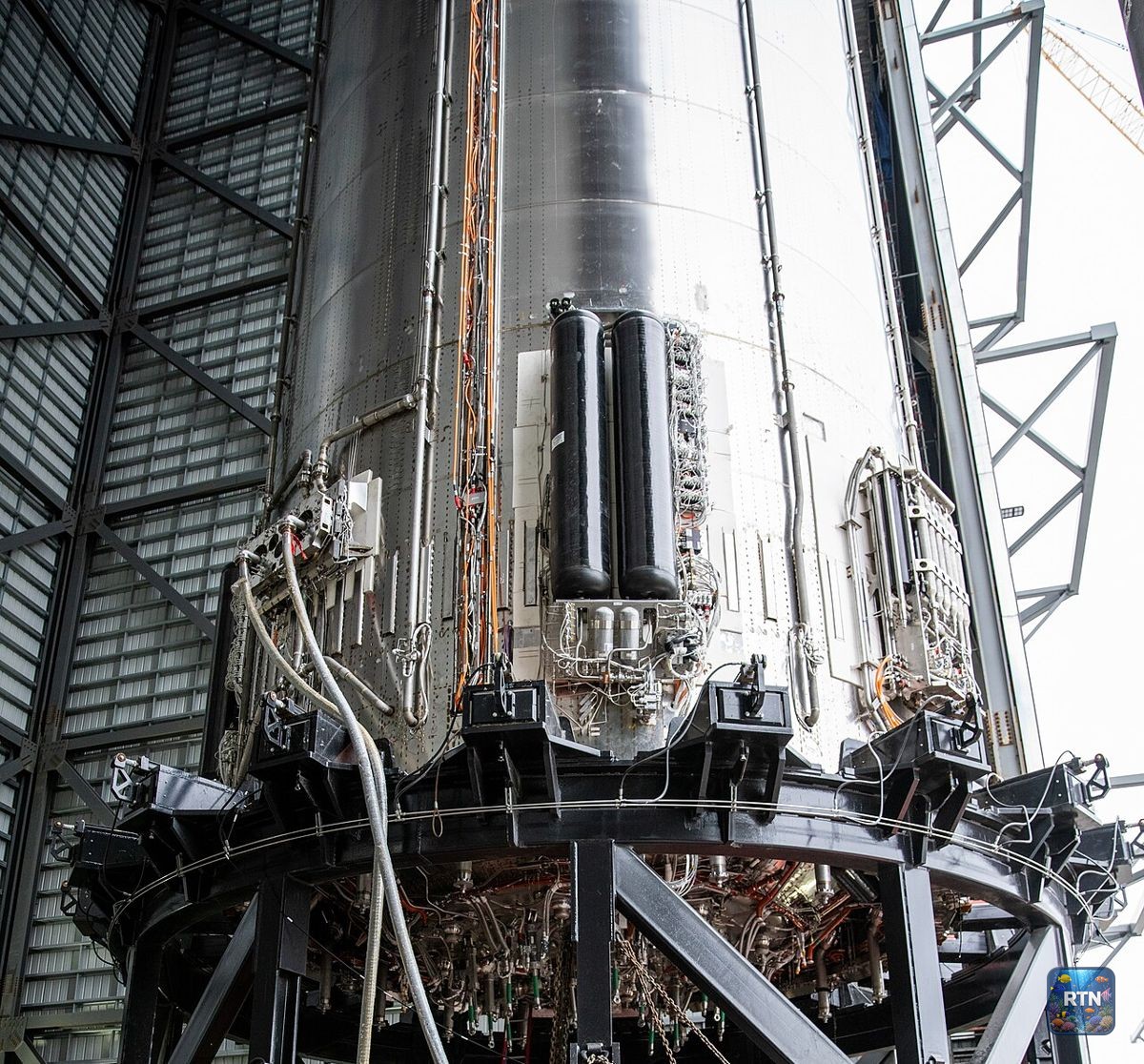
On the rocket side, SpaceX said on X on Sunday 25 October that it had completed a “full duration 33-engine static fire for the Super Heavy booster preparing for Flight 15”. During an earnings call on 21 October, Mr Musk said SpaceX would attempt to catch both the Super Heavy booster and the Starship upper stage on Flight 15, and that he believed success was “more likely than not”, Ars Technica reported. SpaceX is targeting November, and no launch date has been confirmed.
Both catches also depend on regulators. SpaceX president Gwynne Shotwell said on the same call: “We expect the license for our Flight 15 to include return to launch site and tower catch for both stages.” RealTeaNews has not confirmed that the Federal Aviation Administration has issued the Flight 15 licence.
Mr Musk also said he expected Starship to reach a “weekly” launch cadence in the first half of 2027. That is his own target. For the latest on the Flight 15 ship and booster tests, see our related story, “SpaceX breaks Vandenberg’s annual launch record as Starship Flight 15’s ship reportedly fires an engine”.
Sources
- SpaceX secures $40 billion in the largest GPU financing ever, SpaceX investor relations. Accessed 27 October 2026.
- SpaceX Secures $40 Billion in the Largest GPU Financing Ever, Apollo Global Management. Accessed 27 October 2026.
- SpaceX enters $40 billion deal with Apollo for AI chip financing, Reuters, via Investing.com. Accessed 27 October 2026.
- SpaceX on X, 25 Oct 2026, X (@SpaceX). Accessed 27 October 2026.
- SpaceX to attempt Starship catch on next flight, with eye on rapid cadence increase, Ars Technica (Eric Berger). Accessed 27 October 2026.
Sources link to external sites. Their content is the responsibility of their publishers.